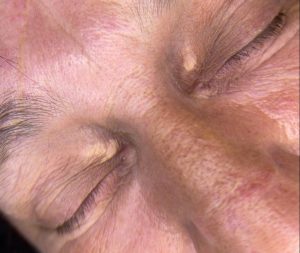
What is Xanthelasma? Colchester & Chelmsford
Tips
Amy Gordon

Why do we get Xanthelasma?

Why do we get Xanthelasma? Having run blemish removal clinics for many years now I have seen time and time again how having this blemish affects people and their confidence. I have been lucky enough to treat hundreds of clients with this condition and get amazing results so their self confidence is restored and the desire to cover up is no longer an issue. One of the first things I am asked when I meet a client is ‘Why do I have Xanthelasma?’ here are a few reasons why it could be present. High Cholesterol Levels: Elevated levels of low-density lipoprotein (LDL) cholesterol and triglycerides in the blood are often
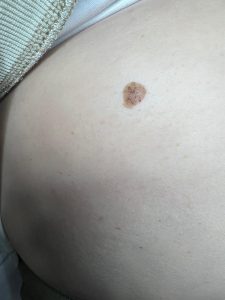
Seborrheic Keratosis Colchester & Chelmsford
Tips
Amy Gordon

Understanding Seborrheic Keratosis

Seborrheic keratosis is a common, noncancerous skin condition that affects millions of people worldwide. These growths can appear worrying but are generally harmless. What is Seborrheic Keratosis? Seborrheic keratosis is a benign skin growth that typically appears in older adults. The growths can vary in color from light tan to black and are generally round or oval. Their texture can be waxy or dry and scaly and they are slightly elevated,often looking as though they have been “stuck on” to the skin. While these blemishes are not cancerous and do not progress to cancer, their appearance can be concerning and sometimes cosmetically undesirable. Causes of Seborrheic Keratosis  The exact cause

Diathermy Colchester & Chelmsford
Tips
Amy Gordon

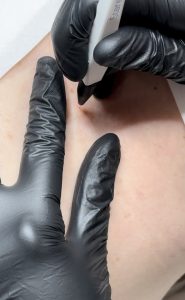
The History of Diathermy

The History of Diathermy: Diathermy is a treatment involving the generation of heat within body tissues through electric currents. This method has been used for various medical treatments for decades. The term “diathermy” is derived from the Greek words “dia,” meaning “through,” and “thermia,” meaning “heat.” The concept of using heat for therapeutic purposes is ancient, but diathermy as we know it began to take shape in the late 19th and early 20th centuries. Early Beginnings: Nikola Tesla’s Contributions: In the late 1800s, Nikola Tesla, a pioneer in electrical engineering, demonstrated that high-frequency currents could generate heat in biological tissues. His work laid the groundwork for future developments in diathermy.