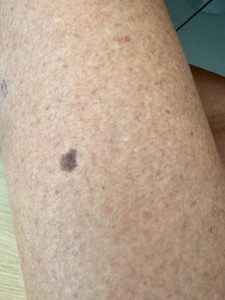
Malignant Melanoma Colchester & Chelmsford
Tips
Amy Gordon

Malignant Melanoma

Malignant Melanoma is the most serious of skin cancers. As a profession, we discuss skin cancers a lot because we see many different people on a daily basis and have the opportunity to assess their skin in places they may not even be able to see. I am proud to say that between myself and colleagues of mine, we have identified skin blemishes that we have felt would be beneficial to get checked by the doctor and on more occasions than not it has resulted in a cancer diagnosis that has then gone on to be successfully treated. As a blemish removal practitioner I do not diagnose skin cancer myself

Seborrheic Keratosis Removal Colchester & Chelmsford Before picture
Tips
Amy Gordon

Seborrheic Keratosis Removal – Client Journey

Seborrheic Keratosis Removal I met this lady not so long ago who was fed up with the itchy dry patch behind her ear. The doctor had told her it was Seborrheic Keratosis and therefore nothing they could do about it since it is benign and classed as cosmetic. However it was really starting to affect her confidence and also become a nuisance when trying to wear her glasses and she had simply got to a point where she wanted it gone. After carrying out a consultation where we discussed the treatment, what to expect and ensured we could go ahead after checking her medical history etc , I took a

Rosacea Colchester & Chelmsford
Tips
Amy Gordon

Rosacea

Rosacea is not a disease but a progressive vascular disorder occurring in men and women. It can often appear in the thirties and is characterised by facial erythema (redness) with inflamed papules and pustules (although not always). When Rosacea is present the skin can appear tenses and shiny and on closer inspection often reveals telangiectasia (thread veins). This is where thread vein removal using diathermy can help with the appearance of Rosacea, however it must be very carefully worked on. Rosacea is normally found on the face although it can also spread to bald scalps and on rare occasions to the upper arms. Rosacea is normally aggravated by outside temperature