Seborrheic Keratosis removal, Colchester & Chelmsford
Tips
Amy Gordon

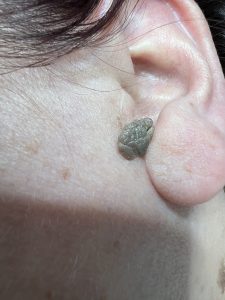
A Lovely Client, a Small Seb K, and a Big Boost in Confidence

I recently had the pleasure of meeting a lovely lady who came to see me about a seborrhoeic keratosis otherwise known as a Seb K that had been sitting just next to her ear for quite some time. It wasn’t painful in any way and is a benign skin blemish, but it had really been affecting how she felt about herself. She told me she’d been wearing her hair a certain way for years, just to try to hide it. When she finally reached out to me, she was ready to do something about it, and I’m so glad she did. During her consultation, we talked through everything carefully. I
Sterilisation and Hygiene for Blemish Removal
Tips
Amy Gordon

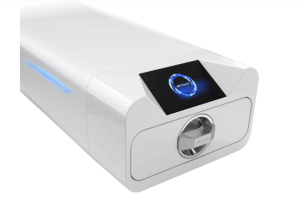
Why I Welcome Questions About Hygiene in My Clinic

Why I Welcome Questions About Hygiene in My Clinic I genuinely appreciate when clients ask about the hygiene standards and sterilisation processes I follow during diathermy treatments. In fact, I see it as a positive sign that people are becoming more aware of the importance of clinical hygiene and infection control. When you visit any clinic, you’re placing your trust in the practitioner not only for results but also for your safety and wellbeing. That trust should always be earned through transparency and the highest professional standards. In my clinic, hygiene isn’t just a box to tick, it’s the foundation of everything I do. Every treatment begins long before you

Aggrevated Seborrheic Keratosis
Tips
Amy Gordon

Blemish Diagnosis

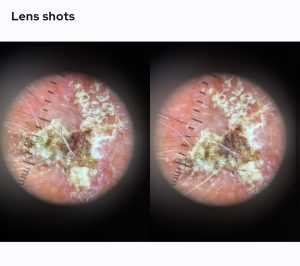
Using a dermatoscope to assess blemishes is a routine part of what I do. It allows me to see each blemish in much greater detail, which helps me better understand what I’m looking at. That said, I want to be clear that I don’t diagnose suspicious lesions. That responsibility lies with dermatology specialists and GPs. What I do is assess whether I’m comfortable treating a particular blemish based on what I can see through the scope. In this blog, I’d like to share a few recent client cases with you, to give you an idea of what I see when I look through the dermatoscope and which types of blemishes