Actinic Keratosis
Tips
Amy Gordon

Actinic Keratosis

Why Skin Checks Matter – Actinic Keratosis I recently had the pleasure of seeing a lovely client of mine who had come to me in the past for treatment of multiple Seborrheic Keratoses—those common, harmless skin growths that can appear in various textures and colours. Like many people, she’d had a few that were crusty, waxy, or just generally bothersome, and we’d successfully treated them together. But during a follow-up visit, she mentioned a persistent patch of redness and flakiness right on the bridge of her nose. It hadn’t gone away for months, and although it wasn’t painful, it didn’t seem to heal like normal skin would. Given her concerns,

Meet Amy Gordon Colchester & Chelmsford
Tips
Amy Gordon

What my clients say…

What My Clients Are Saying: Real Google Reviews That Reflect My Commitment When it comes to choosing a service provider, nothing speaks louder than the words of real customers. I solely focus my work on Blemish Removal due to the fact it can be life changing and therefore equally rewarding. I believe that trust is earned, not given—and there’s no better proof of that dedication to quality, reliability, and customer care than the feedback I receive from my clients. Although as a business it can be hard to seek out clients willing to take the time to leave a review, however I am extermely lucky with mine and continue to

Intradermal Neavus Scalp
Tips
Amy Gordon

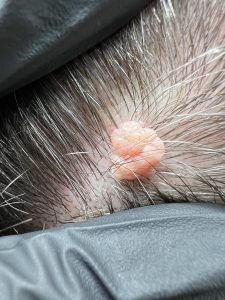
Intradermal Neavus – Scalp

Treating a Longstanding Intradermal Nevus on the Scalp Recently, a gentleman came to see me with an Intradermal Neavus on the scalp—an intradermal nevus he’d had for nearly 20 years. It had been checked by the doctor and dermatology and although harmless, it had started to cause a bit of bother. Every trip to the hairdresser meant it risked being nicked or caught with the clippers, leaving it irritated and sometimes sore. That was the final nudge he needed to come in for treatment. Intradermal nevi are benign growths—essentially, a type of mole that sits just under the surface of the skin. They’re common and nothing to be alarmed about,