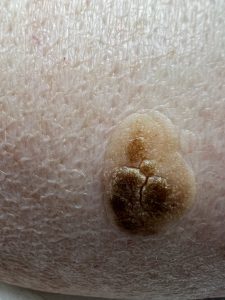
Seborrheic Keratosis Colchester & Chelsmford Clinics
Tips
Amy Gordon

Seborrheic Keratosis Comparison

In this blog, I will look at Seborrheic keratosis and the comparison of two that look very different. Seborrheic Keratosis might sound like a mouthful, but it’s actually one of the most common—and completely harmless—skin growths we see. These little (or sometimes not-so-little) patches can show up anywhere on the body and often come as a surprise, especially if you’ve never had one before. The good news? They’re benign, non-cancerous, and very normal, especially as we age. What makes seborrheic keratoses interesting is just how differently they can present. Some are soft, fibrous, and waxy, almost like they’ve been gently pasted onto the skin. Others are dry, crusty, or look
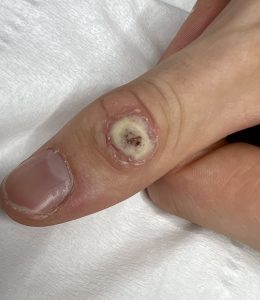
Wart on Thumb Colchester & Chelmsford
Tips
Amy Gordon

A Real Wart Removal Journey

Patience and Persistence: A Real Wart Removal Journey As a blemish removal practitioner, I’ve come to learn that every person who walks through the door brings not just a skin concern, but also a story. Recently, a young gentleman came in with a particularly stubborn wart on his thumb—a rather large one that had been bothering him for quite some time. While some blemishes respond quickly to treatment, warts tend to have a mind of their own, and it’s important for anyone seeking wart removal to understand one essential truth: it takes time. Warts are caused by the human papillomavirus (HPV), which means they’re not just a surface issue—they’re a

The Endocrine System & How It Affects The Skin
Tips
Amy Gordon

Have I got Cherry Angioma or a Pyogenic Granuloma?

If you’re unsure whether you have a Cherry Angioma or a Pyogenic Granuloma, it can be tricky to tell the difference at first glance. Both are types of growths that appear on the skin, but they have distinct characteristics that set them apart. The most crucial point to remember is that if you suspect you might have a Pyogenic Granuloma, it’s important to see a doctor and insist on a referral for treatment. These growths should be removed, as they can sometimes mimic melanoma if left untreated, which makes them particularly concerning. Cherry Angiomas are typically small, red or purple, and usually appear as flat or slightly raised bumps on