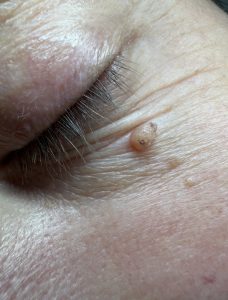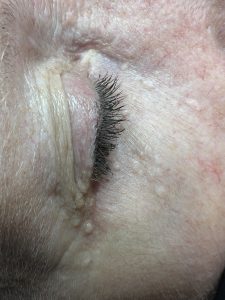
Example of a seborrheic keratosis showing a waxy, light brown appearance
Tips
Amy Gordon

Skin Tag Removal Questions Answered

What to Expect, What It Costs, and Why It’s Worth Doing Properly If you’ve found this page, chances are you’ve noticed a small piece of skin somewhere on your body, and you’re trying to work out what to do about it. You’re not alone. Skin tags are among the most common things I see in clinic, and among the things people search for most before they book a consultation. Here’s everything you need to know, from what they actually are through to what happens on the day. What Are Skin Tags? Skin tags are small, soft growths of skin that usually hang off the surface by a thin stalk. They’re

Example of a seborrheic keratosis showing a waxy, light brown appearance
Tips
Amy Gordon

What is this on my Skin?

One of the most common things I hear in consultations is some version of “I didn’t know what to call it.” Someone recently described a seborrheic keratosis to me as looking like “a crusty mole,” which is a completely reasonable way to describe it if you don’t know the medical term. Most people don’t walk around knowing the names of skin conditions, and there’s no reason you should; that’s exactly what I’m here for. But if you’re trying to work out what’s on your skin before booking a consultation, it helps to know roughly what you’re looking at, so here’s a plain-language guide based on appearance rather than medical terminology.

After photo of skin tag removal treatment on a client, showing beautiful, healed & clear skin. Amy Gordon Advanced Cosmetics, Colchester and Chelmsford clinic
Tips
Amy Gordon

Client Skin Tags – Before & After

How effective is diathermy for skin tag removal? Is it straightforward? Is it a one-off process? This client’s experience is a good example of what proper, considered treatment actually looks like in practice, rather than a quick fix. Before any treatment began, we carried out a patch test to check how her skin would respond. This isn’t a step to rush past, since everyone’s skin reacts slightly differently, and it lets me see healing patterns before committing to full treatment. A few days later, once I could see the area was healing exactly as it should, we went ahead. Rather than treating everything in one sitting, we spread her treatment