
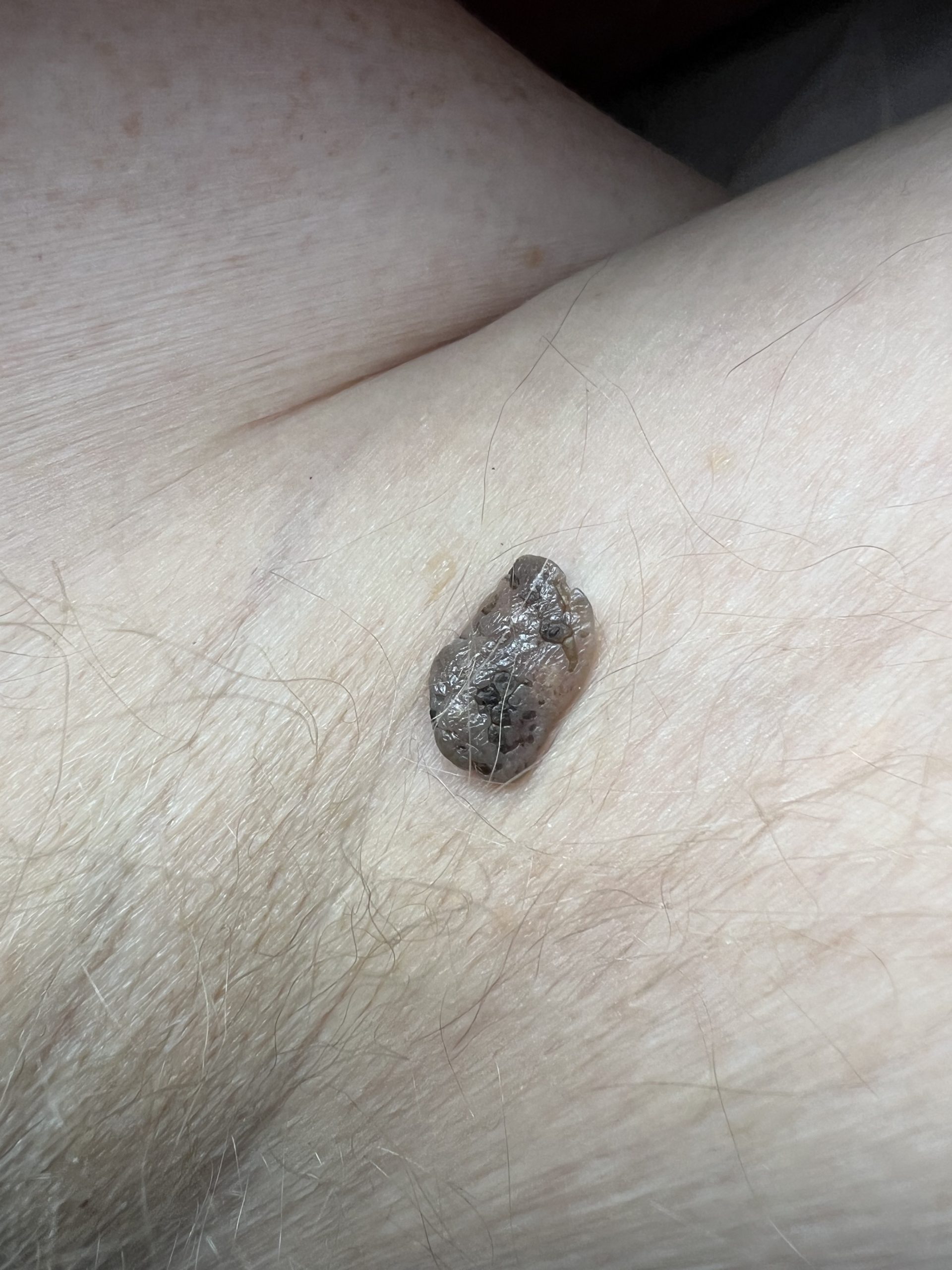
Skin Tag, Wart or Seborrheic Keratosis? How to Tell the Difference
Skin tags, warts and seborrheic keratoses can look surprisingly similar to the untrained eye, but they’re actually very different.
Skin tags
Soft, small growths that hang off the skin, usually flesh-coloured or slightly darker, with a smooth surface. They love friction areas like the neck, underarms, eyelids, groin, and under the bra line. If you can gently move it and it feels like a tiny flap of loose skin, it’s likely a skin tag.
Warts
Rough, raised and often described as “cauliflower-like” in texture. They’re caused by a virus (HPV), which means they can spread to other parts of your body or, occasionally, to other people. They are common on hands, fingers, feet, and knees. If it has a rough, bumpy surface with tiny black dots, that’s usually a wart. I also see a lot of filiform warts; these warts look like they have little protruding prongs and often appear on the face and neck. These are also often mistaken for skin tags by clients.
Seborrheic keratoses
Waxy, slightly raised, often brown or black, with a distinctive “stuck-on” look, as if they’ve almost been glued to the skin. They tend to appear from your forties onwards, often on the chest, back or face. Many people worry they’re moles or something more sinister, which is why proper identification matters.
Why it matters which one you have
Treatment approaches differ. Skin tags usually resolve in a single diathermy session. Warts can need multiple sessions because the virus is stubborn. Seborrheic keratoses respond well to diathermy but may need more than one visit if they’re larger.
More importantly, some things that look like a “skin tag” or “seb k” can be something else entirely, including moles that need clearance from a dermatologist or GP before I’ll treat them.
The honest answer
Don’t diagnose from Google. Come in for a consultation, and I’ll tell you exactly what you’re looking at, whether I can treat it, and what your options are.
To book your consultation in either my Colchester or Chelmsford Clinic CLICK HERE