Xanthelasma Removal Colchester & Chelmsford
Tips
Amy Gordon

What Are Those Yellow Patches Under My Eyes?

I was in consultation with a client recently, and she told me that she had spent the best part of ten years trying to conceal the yellow patches on her upper eyelids with makeup. She thought they were something she just had to live with. She hadn’t realised they had a name, let alone that they could be treated. She wasn’t one for going to the doctors and had seen them on her grandmother many years ago, so she just assumed this was it, as such. If you have noticed soft, yellowish patches near your eyes, usually on the upper or lower eyelids, or at the inner corners, then you
Seborrheic Keratosis Colchester & Chelsmford Clinics
Tips
Amy Gordon

What is this blemish on my skin? How to Tell the Difference

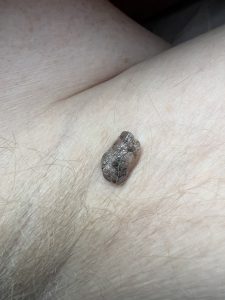
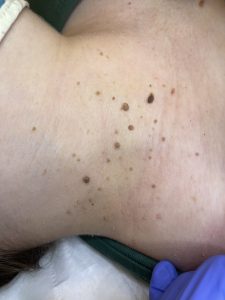
Skin Tag, Wart or Seborrheic Keratosis? How to Tell the Difference Skin tags, warts and seborrheic keratoses can look surprisingly similar to the untrained eye, but they’re actually very different. Skin tags Soft, small growths that hang off the skin, usually flesh-coloured or slightly darker, with a smooth surface. They love friction areas like the neck, underarms, eyelids, groin, and under the bra line. If you can gently move it and it feels like a tiny flap of loose skin, it’s likely a skin tag. Warts Rough, raised and often described as “cauliflower-like” in texture. They’re caused by a virus (HPV), which means they can spread to other parts of

Why am I getting Skin Tags?
Tips
Amy Gordon

Why Do I Keep Getting Skin Tags?

Skin tags have to be one of the most common blemishes I see. You notice one. A few months later, there’s another. Then a small cluster, and clients ask me: why do I keep getting these, and is there anything I can do? This may answer it for you… Friction is the biggest culprit Skin tags form in areas where skin rubs against skin or against clothing. That’s why they so often appear on the neck (necklaces, collars), under the arms, around the bra line, on the eyelids, in the groin and under the breasts. If you’re prone to them, anywhere with regular friction is a likely spot. Genetics play